Address
304 North Cardinal St.
Dorchester Center, MA 02124
Work Hours
Monday to Friday: 7AM - 7PM
Weekend: 10AM - 5PM
Address
304 North Cardinal St.
Dorchester Center, MA 02124
Work Hours
Monday to Friday: 7AM - 7PM
Weekend: 10AM - 5PM

 BySam Lee
Street art has evolved far beyond colorful murals or graffiti tags. Today, it stands as a powerful tool for civil protest, allowing artists to express social and political messages creatively and accessibly. This article explores how street art works as a form of activism, why it matters, and offers inspiration for DIY creators interested in unique accessories with a statement. We’ll uncover practical ideas to bring your own touch of creative protest into handmade projects.
Street art reaches wide audiences directly in public spaces. It bypasses traditional media channels and censorship, making it a spontaneous and bold way to voice dissent or highlight social issues. Public art grabs attention, sparks conversations, and often gives a visual voice to marginalized communities.
With its accessible materials, low costs, and immediate visibility, street art is a form of activism available to everyday people, including those who enjoy DIY crafts and handmade creations. It thrives on clear, symbolic imagery, simple language, and repetition to drive messages home.
Understanding the materials used in street art can inspire your handmade projects, such as jewelry and accessories, with similar themes or aesthetics.
| Material | Advantages | Disadvantages | Best Uses |
|---|---|---|---|
| Spray Paint | Fast to apply; bright, bold colors; weather resistant | Requires skill; can be messy; legal risks | Large murals, quick stencils |
| Stencils | Reusable; precise shapes; easy replication | Limited detail; prep time for cutting | Repeating symbols, words, or logos |
| Paste-ups (Wheatpaste) | Allows detailed paper art; quick installation | Not very durable outdoors; requires paper | Complex images, layered designs |
| Markers and Pens | Easy to carry; precise; good for small-scale art | Limited size; less visible from distance | Tagging, small add-ons |
Street art often connects people around shared causes. Murals and installations can create meeting spots or symbols for movements. The visible act of creating or supporting street art encourages public dialogues and empathy, promoting activism beyond the artwork itself.
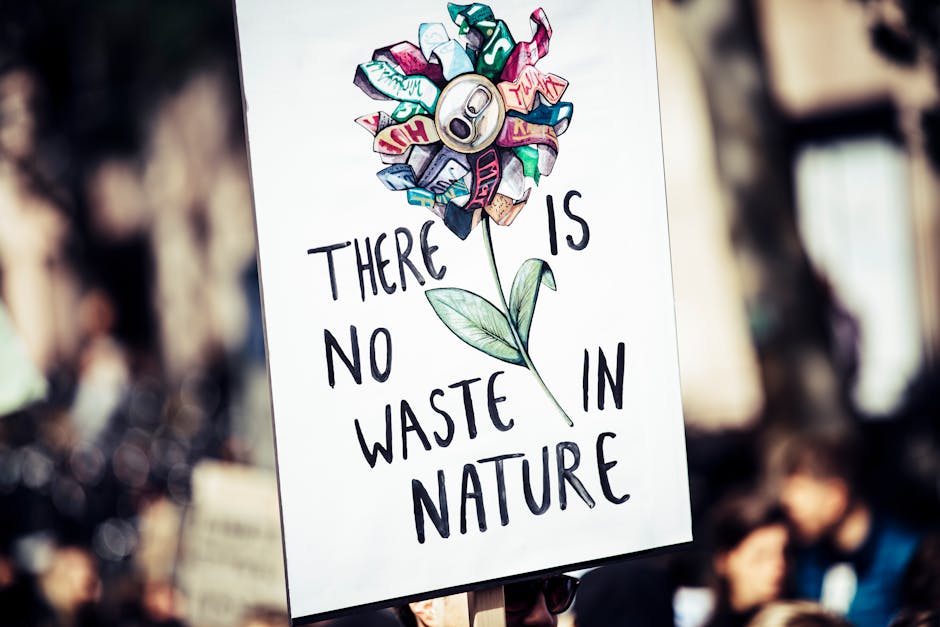
For DIY enthusiasts, this connection emphasizes the power of small, creative acts to make statements. Just like an accessory or a handmade item can express identity or belief, street art’s public nature magnifies this effect.
Want to create wearable art that carries a message? Here are some accessible ideas with materials you likely have or can easily find:
Understanding errors others often make helps you avoid frustration and create stronger pieces, whether street art or accessories.
Expert advice from Maya Luis, Community Artist: “Aim for simplicity and power in your visuals. Symbols should be bold and instantly recognizable. People remember images more than long texts.”
Expert advice from James Chen, Street Art Organizer: “Start small to learn the process. Try stencil work indoors or with friends before going public. This builds confidence and clarifies your message.”

Expert advice from Nina Harper, DIY Jewelry Maker: “Let your craft tell a story. Use recycled or meaningful materials. Your accessories become personal protest statements people can carry with pride.”
DIY crafts and street art share a creative spirit and potential for personal expression. Bringing protest themes into your handmade accessories can:
Whether it’s a bracelet stamped with a feminist slogan or a pendant made of recycled parts, your creations blend fashion and activism uniquely.
Understanding why certain materials hold up better gives your DIY projects more lasting value:
Street art as civil protest is a vivid example of how creativity mixes with purpose. It shows how simple materials and ideas can speak loudly in public spaces. By understanding its methods, motifs, and materials, you can bring this energy into your handmade crafts. Create accessories that not only look good but also tell your story, support a cause, and inspire others to do the same.
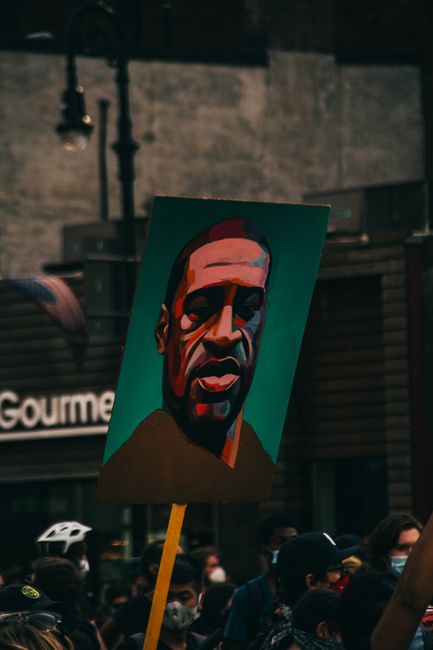
Try experimenting with simple stamping, fabric printing, or recycled materials. Through these projects, your craft becomes a form of personal protest and empowerment.